

‹
›
‹
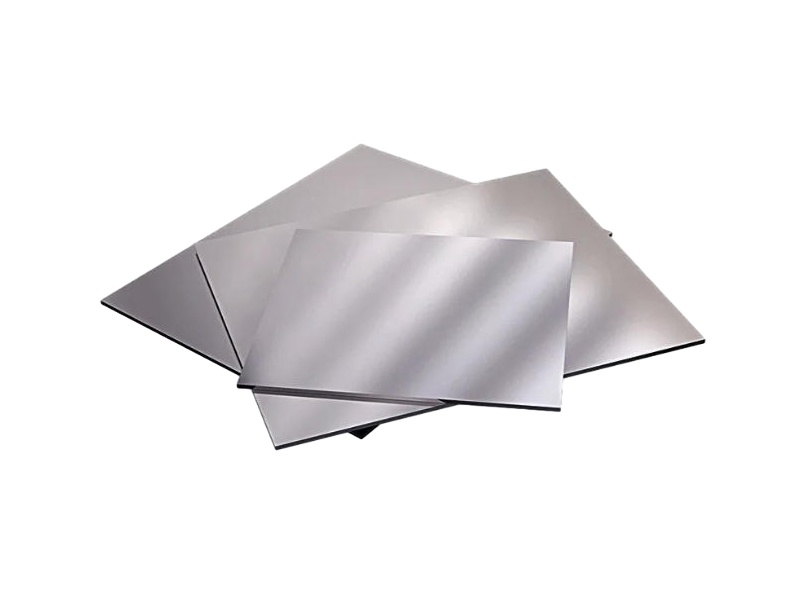
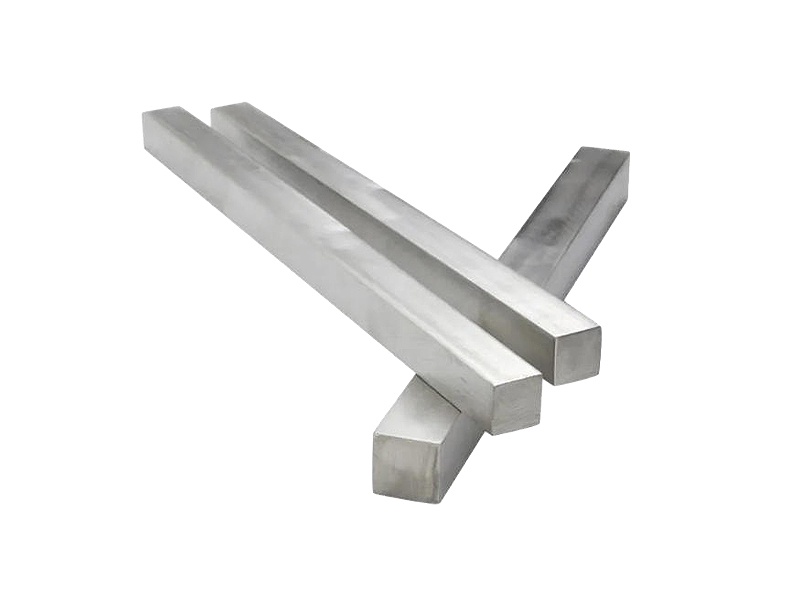
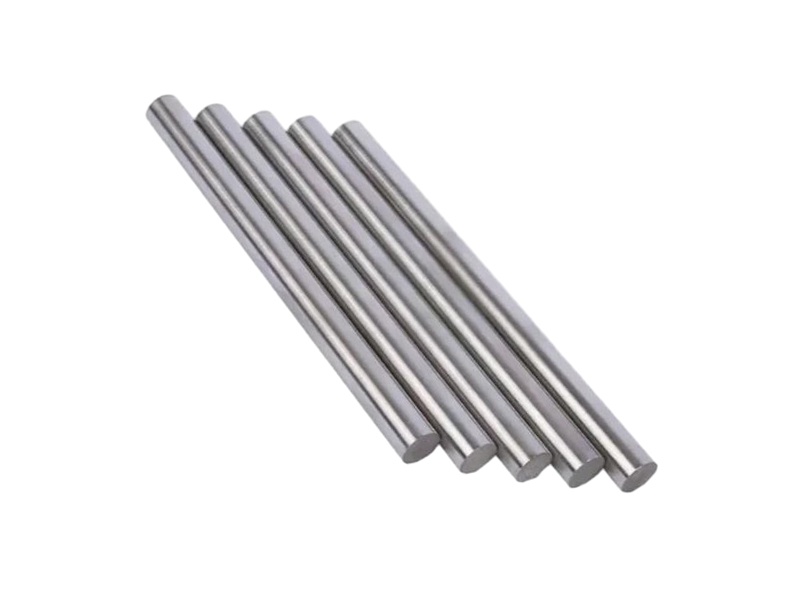
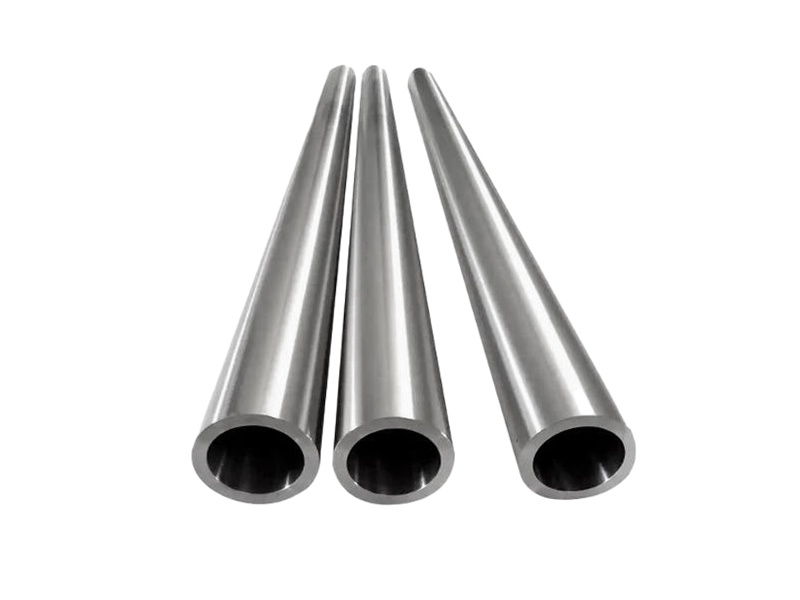
›
| Brand | TISCO SHANXI |
|---|---|
| Alloy Products | Plate, Coil, Pipe, Bar, Pipe Fittings, Steel Profile, etc. |
| Titanium Standard | ASTM/ASME SB 168, ASTM/ASME SB 424, ASTM/ASME SB 443, etc. |
| Monel Standard | ASTM B163, ASTM B407, ASTM B444, ASTM B751, etc. |
| Inconel Standard | ASTM B348A/B26/B337/338, ASTM F136, ASTM F67, AMS4928, etc. |
| Incoloy Standard | ASTM B409/B514/B751/B163/B407, ASMEN-20 BS 3074NA15, ASTM A240/A480, ASMESA 480, etc. |
| Hastelloy Standard | ASTM B575, ASTM B619, ASTM B622, ASTM B626 ASTM B574, ASTM B366, etc. |
| Nickel Standard | ASTMB164, ASTM B564, ASTM B127, ASTM B165, etc. |
Drop Us A Line To Get A Quote
Product Introduction
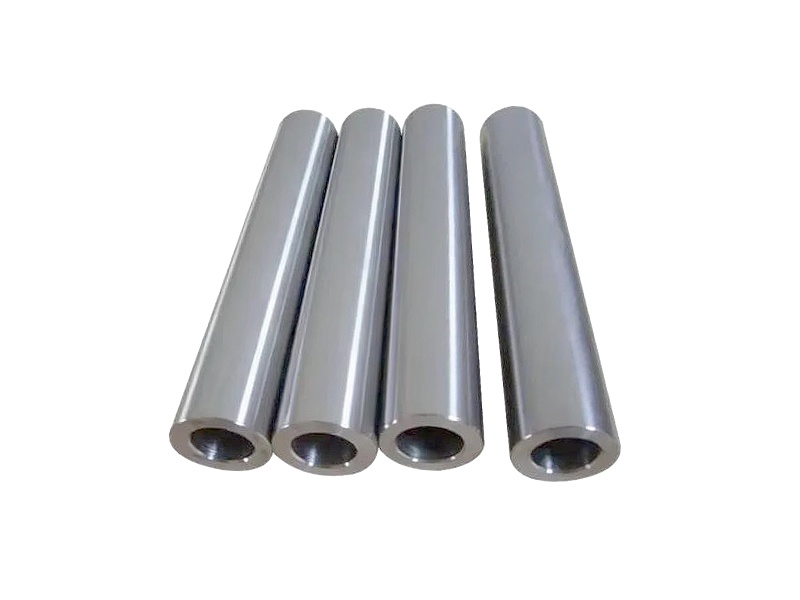
TA9-1 is the Chinese designation for a palladium-stabilized titanium alloy, corresponding to Ti-0.2Pd under international standards such as ASTM Grade 11. It is a high-purity version of TA9 (Grade 7), with even lower contents of interstitial elements (oxygen, iron, carbon, nitrogen). The alloy consists of commercially pure titanium (similar to TA1 or Grade 1) with a small addition of palladium (0.12 to 0.25 percent). This combination provides exceptional corrosion resistance in reducing acids and crevice environments, while the high purity gives superior ductility and formability compared to standard TA9.
The nominal chemical composition of TA9-1 is: palladium 0.12 to 0.25 percent, iron up to 0.15 percent, oxygen up to 0.12 percent, carbon up to 0.05 percent, nitrogen up to 0.03 percent, hydrogen up to 0.012 percent, and the balance titanium. Compared to TA9 (Grade 7), TA9-1 has significantly lower oxygen and iron limits, which results in higher ductility and lower strength.
Key mechanical properties (typical for annealed condition):
● Tensile strength: 240 to 370 MPa
● Yield strength (0.2% offset): 170 to 220 MPa
● Elongation: 24 to 30 percent (much higher than TA9)
● Density: 4.51 g/cm³
● Modulus of elasticity: 105 GPa
The lower oxygen content makes TA9-1 softer and more ductile than TA9, with elongation often exceeding 28 percent. This allows severe cold forming operations such as deep drawing, bending, and roll forming without cracking. The palladium addition provides the same outstanding corrosion resistance as TA9, including:
● Excellent resistance to reducing acids (dilute sulfuric, hydrochloric, formic, and oxalic acids).
● Superior crevice corrosion resistance in hot chloride brines and seawater.
● Good performance in oxidizing acids (nitric, chromic) and alkaline solutions.
Common international equivalents:
● ASTM B265 Grade 11 (USA) – Ti-0.2Pd, low interstitials
● JIS H4600 TR270C (Japan, with Pd addition)
● ISO 5832-2 (for surgical implants, Grade 11)
Typical applications of TA9-1 include:
● Chemical processing: thin-walled heat exchanger tubes, bellows, and linings for reducing acid environments where forming is critical.
● Marine engineering: components exposed to stagnant or low-flow seawater where crevice corrosion is a risk, but requiring complex shapes (e.g., instrumentation housings, valve diaphragms).
● Oil and gas: downhole sensor housings and flexible pipe components.
● Medical implants: certain surgical devices requiring both corrosion resistance and high ductility (though Grade 1 and 2 are more common).
Comparison with TA9 (Grade 7): TA9-1 has lower strength, higher ductility, and better formability than TA9. Both offer similar corrosion resistance. TA9-1 is preferred for cold-formed, thin-gauge components; TA9 is chosen when moderate strength is also required. Compared to TA2 (Grade 2, pure titanium), TA9-1 provides far superior corrosion resistance in reducing acids and crevice-prone conditions.
Selection guidance: Choose TA9-1 when maximum formability (deep drawing, complex bending) and excellent corrosion resistance in reducing acids or hot brines are required, and the application does not demand high strength. For general corrosion service without severe forming, TA2 is more economical. For higher strength with similar corrosion resistance, select TA9 (Grade 7) or TA10 (Grade 12).
Product Type
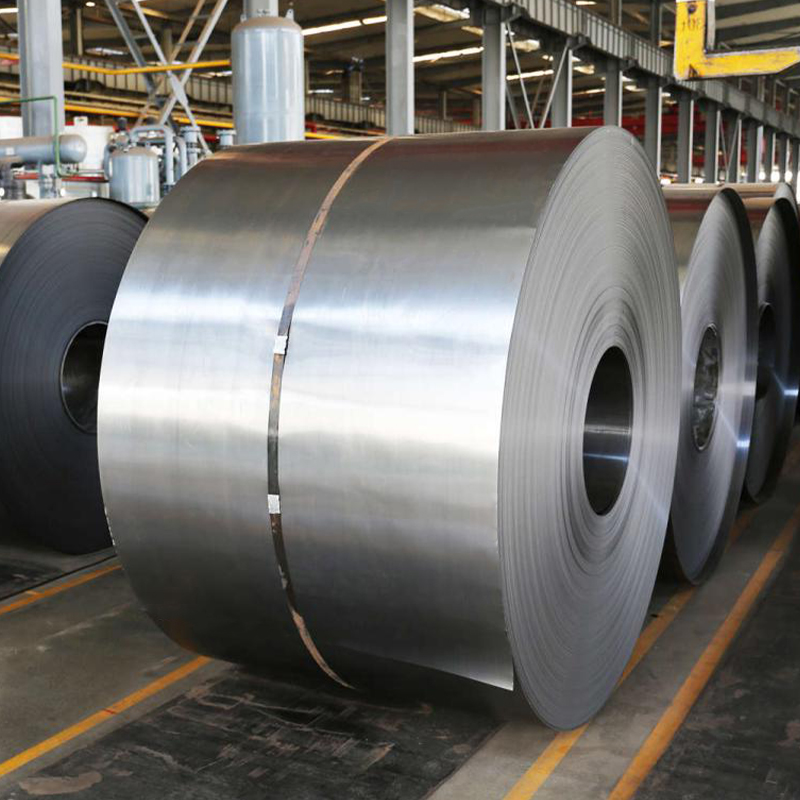
 Alloy-Coil
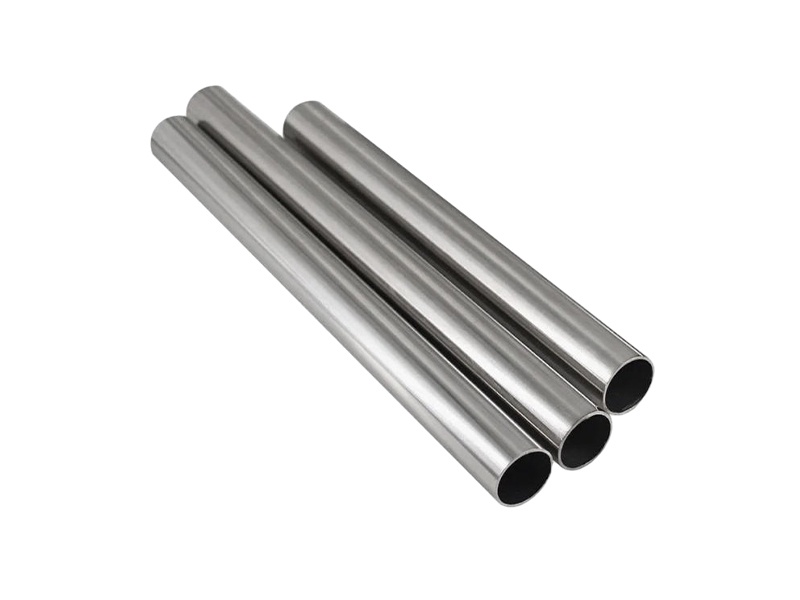
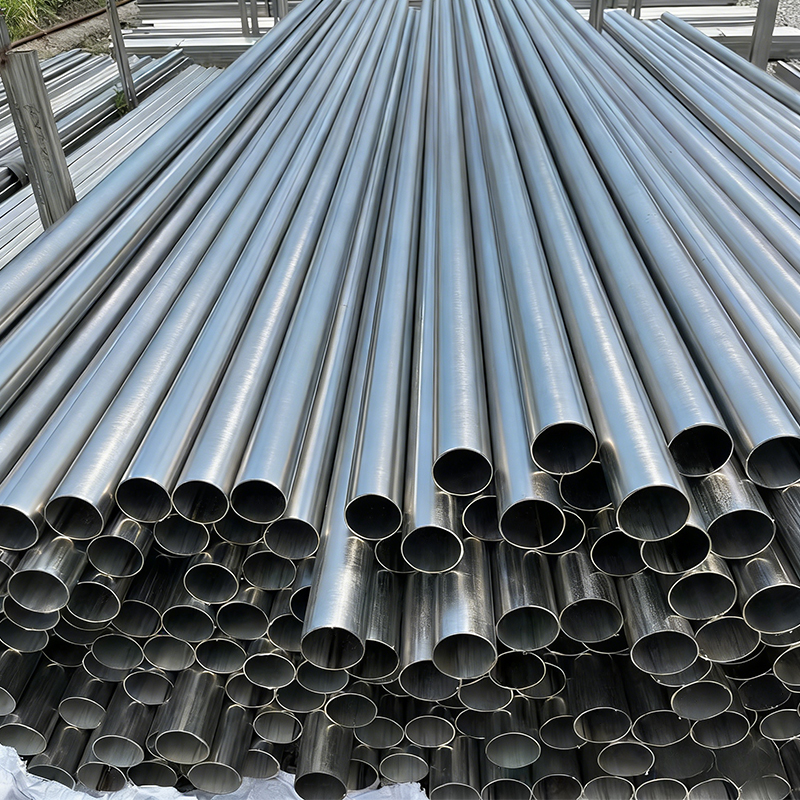
 Alloy-Pipe
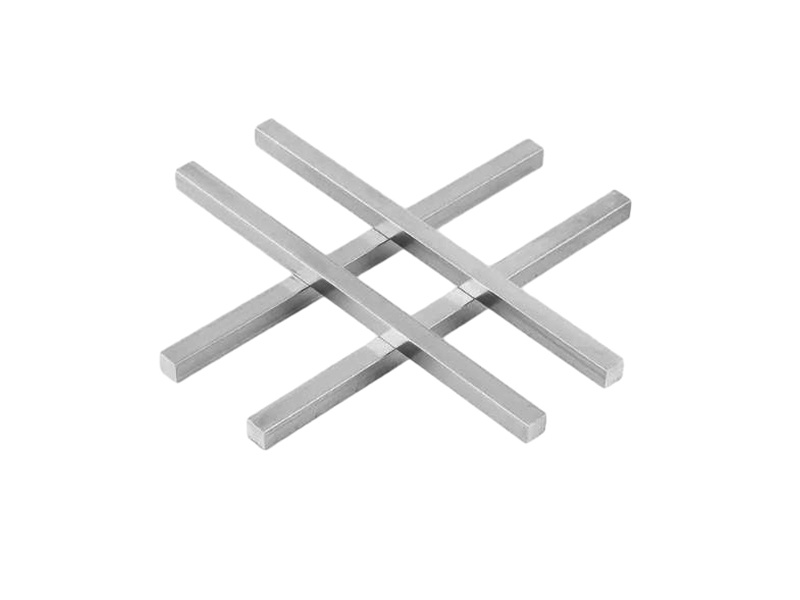
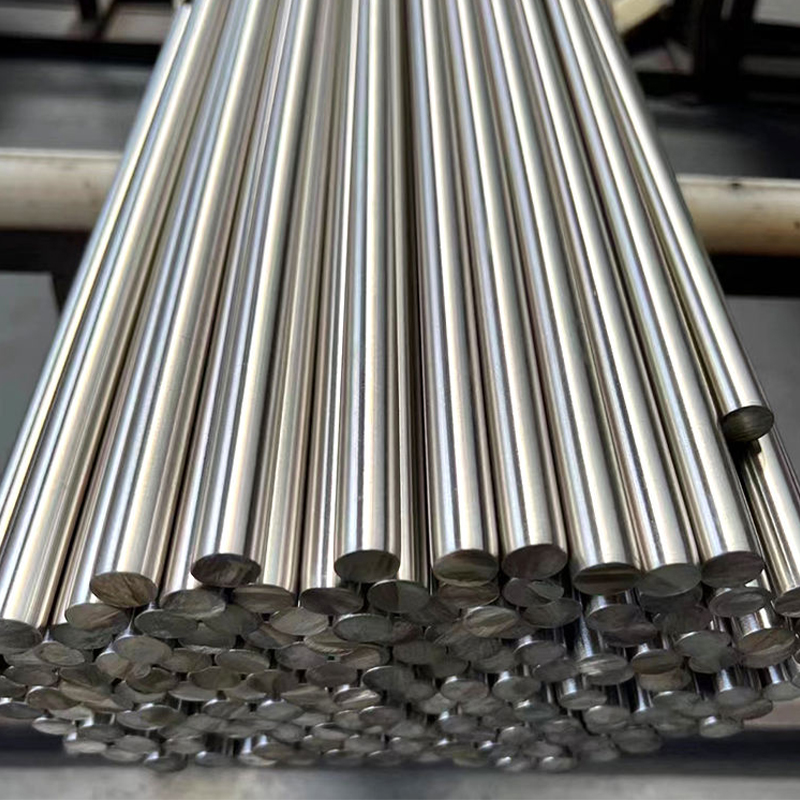
 Alloy-Bar
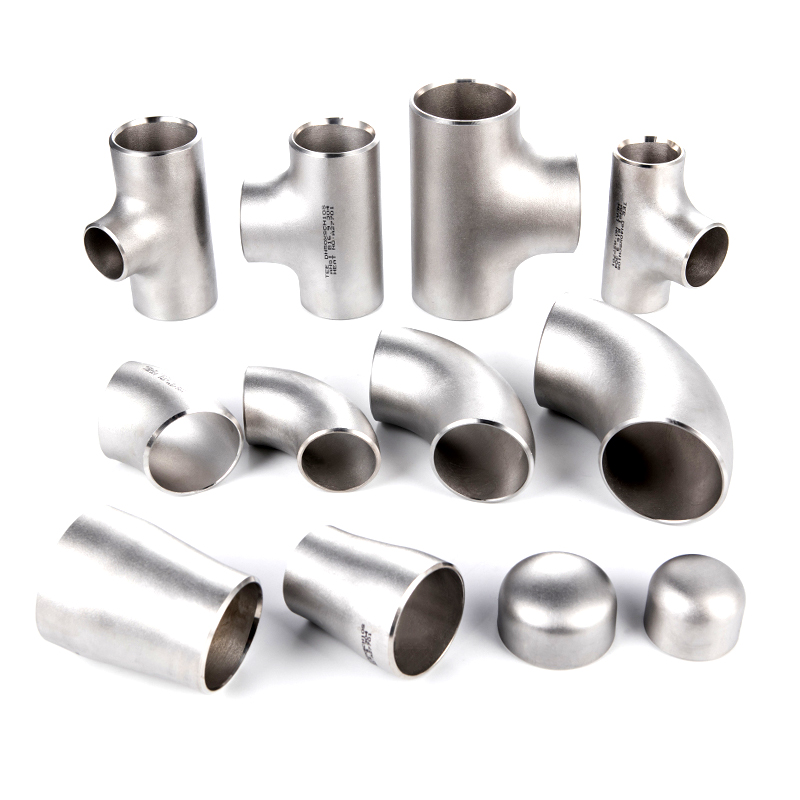
 Alloy-Fittings
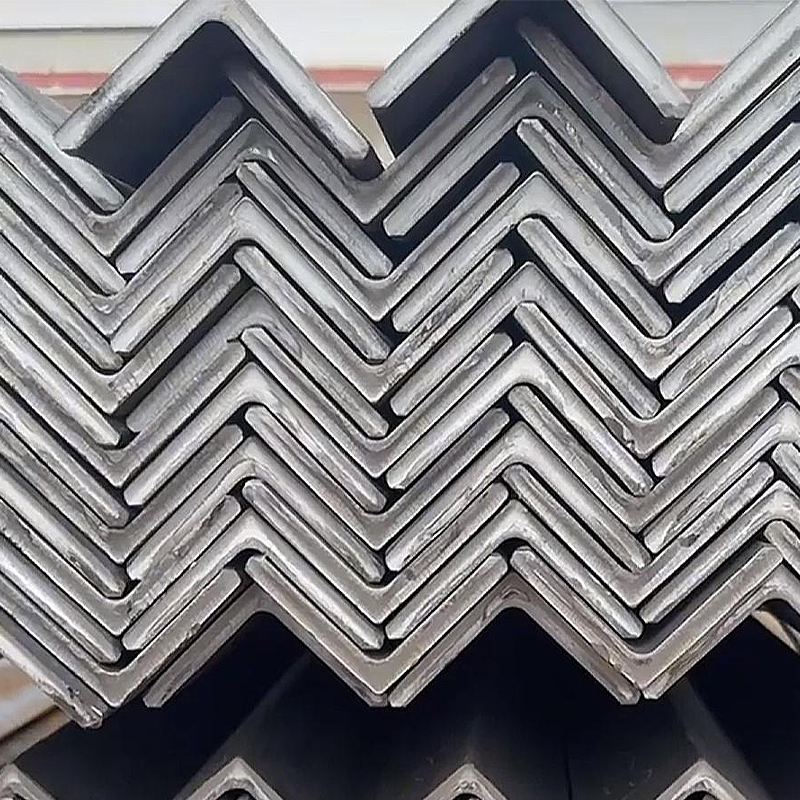
 Alloy-Angle
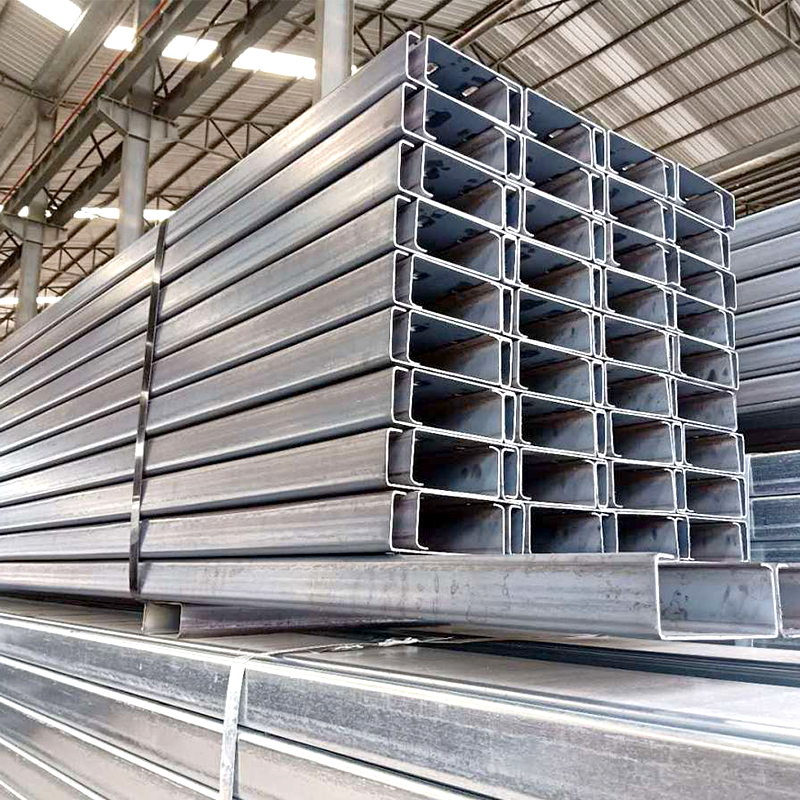
 Alloy-Channel
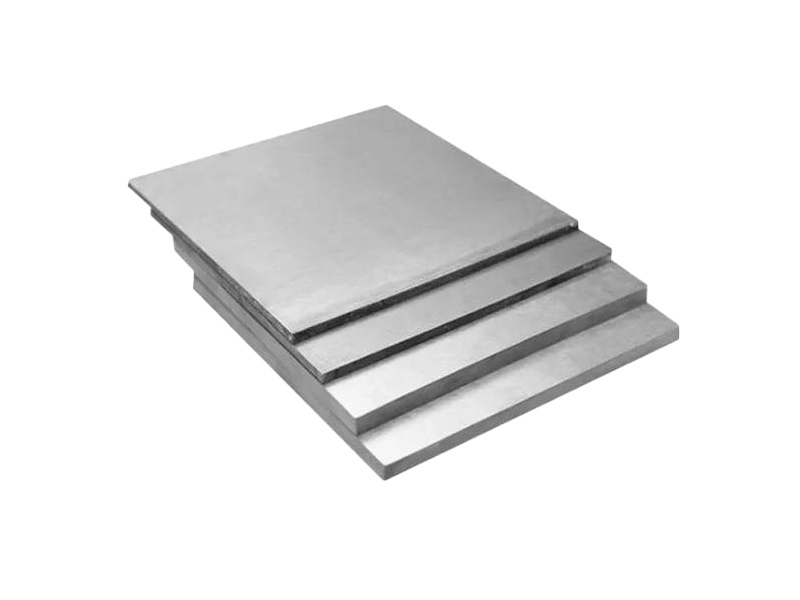
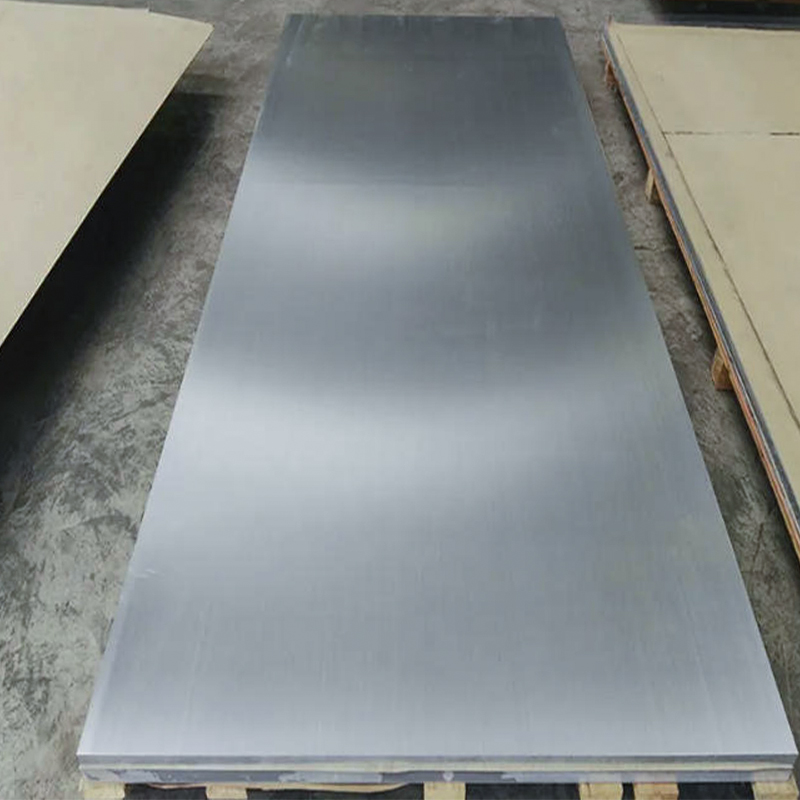
 Alloy-Plate
Application Industry
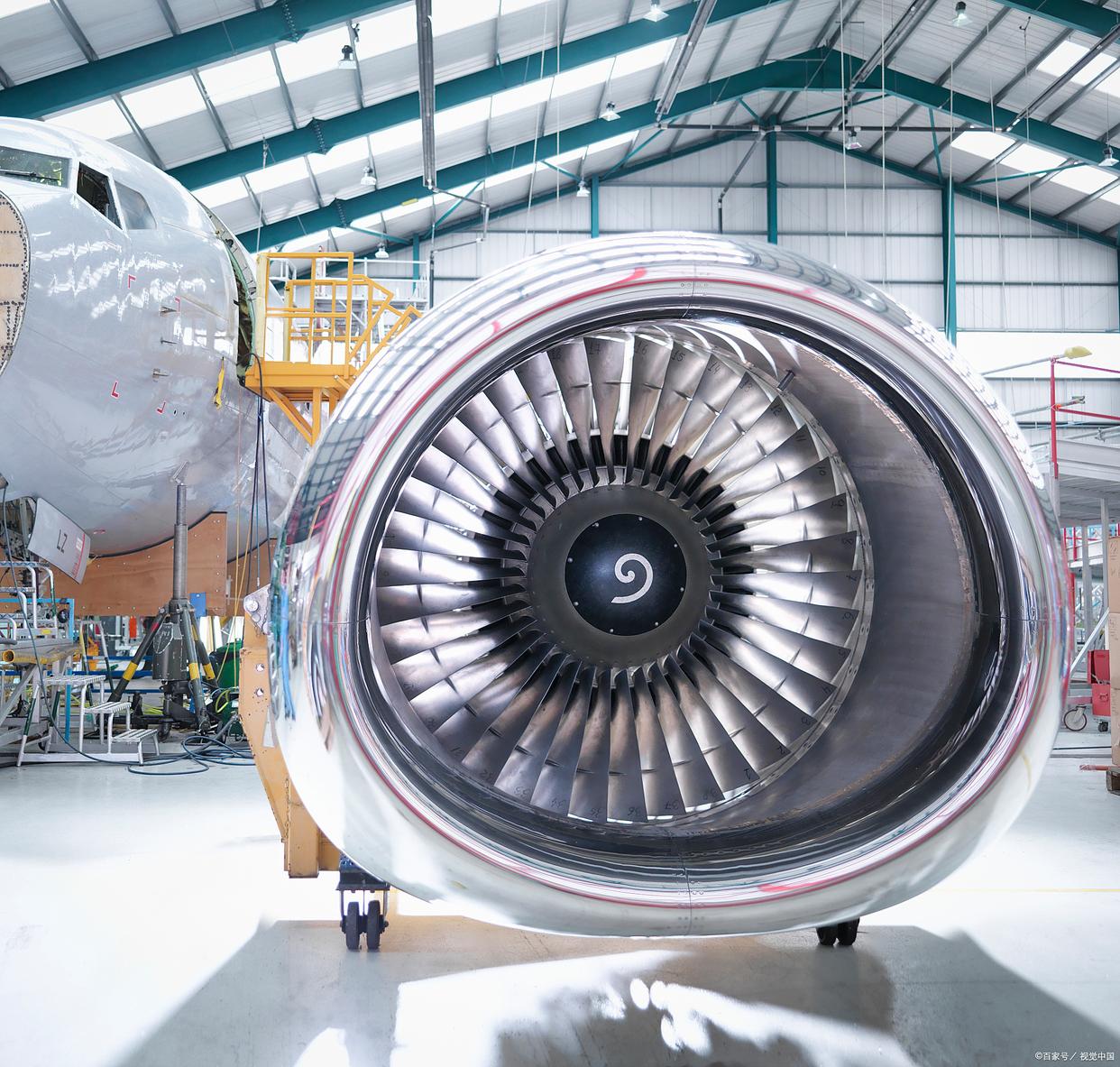
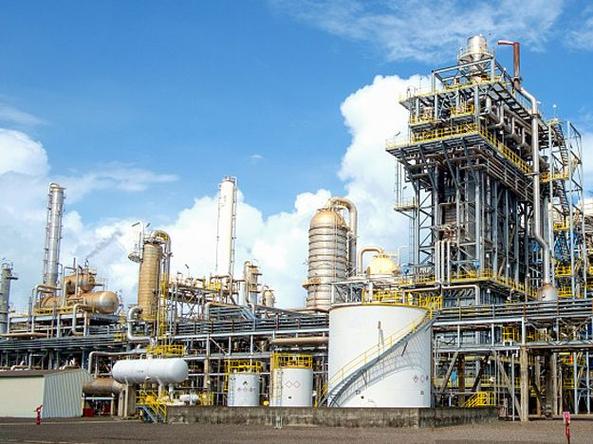
● Titanium: Widely used in aerospace, marine engineering, and chemical equipment. It offers excellent corrosion resistance, high strength, and lightweight performance, ideal for seawater systems, medical implants, and pressure vessels.
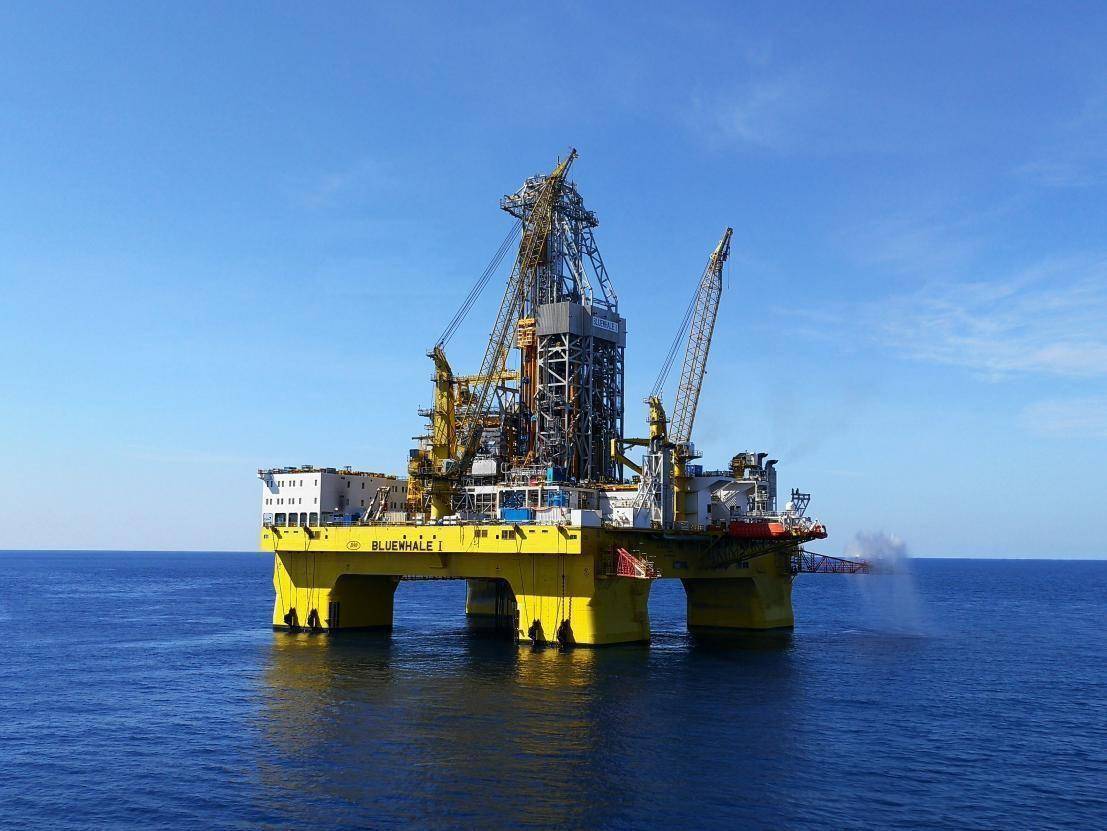
● Monel: Mainly applied in marine, oil and gas, and seawater treatment systems. With outstanding resistance to seawater corrosion and oxidation, it is suitable for pumps, valves, propellers, and heat exchangers.
● Inconel: Used in high-temperature environments such as aerospace engines, gas turbines, and industrial furnaces. It maintains strength and oxidation resistance at extreme heat, perfect for turbine blades and boiler components.
● Incoloy: Applied in petrochemical plants, heat treatment furnaces, and acid processing equipment. It resists high-temperature oxidation and corrosive media, widely used in pipes, heaters, and reactor parts.
● Hastelloy: Serves in severe corrosive environments including chemical processing, flue gas desulfurization, and acid production. It withstands strong acids, chlorine, and harsh chemicals for reactors and pipelines.
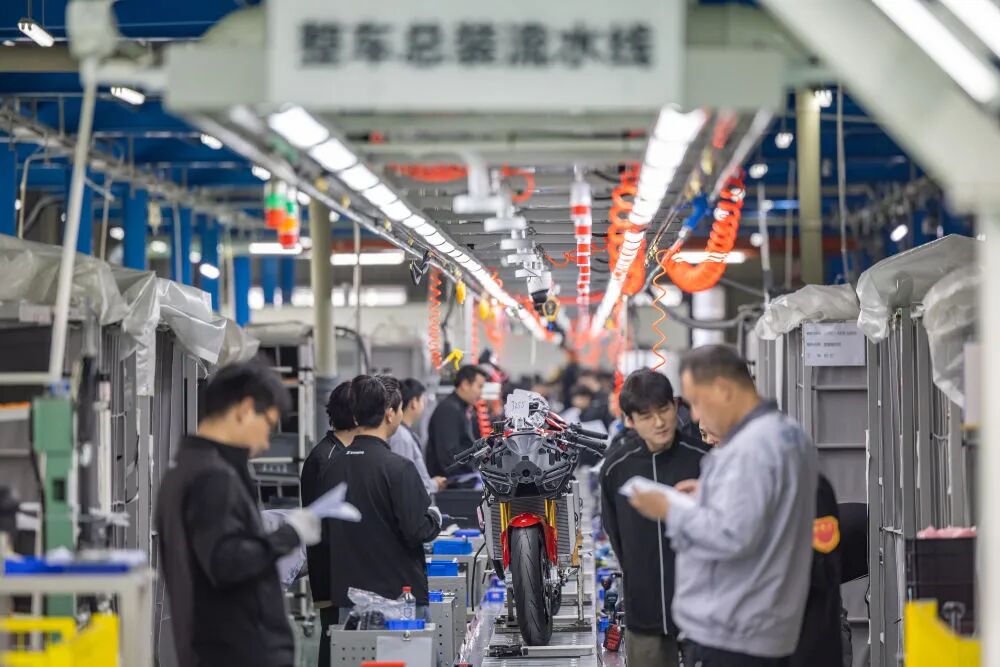
● Nickel: Used in electronics, electroplating, batteries, and corrosion-resistant parts. As a base metal for alloys, it provides good ductility and conductivity for industrial and electrical applications.
 Aerospace & High-Temperature Parts
 Chemical & Corrosive Processing
 Marine & Seawater Engineering
 General Industrial & Manufacturing
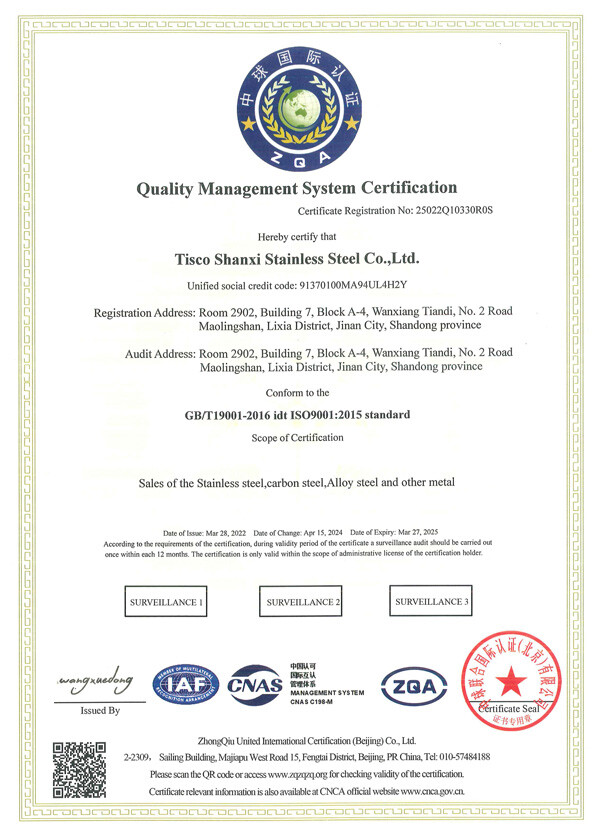
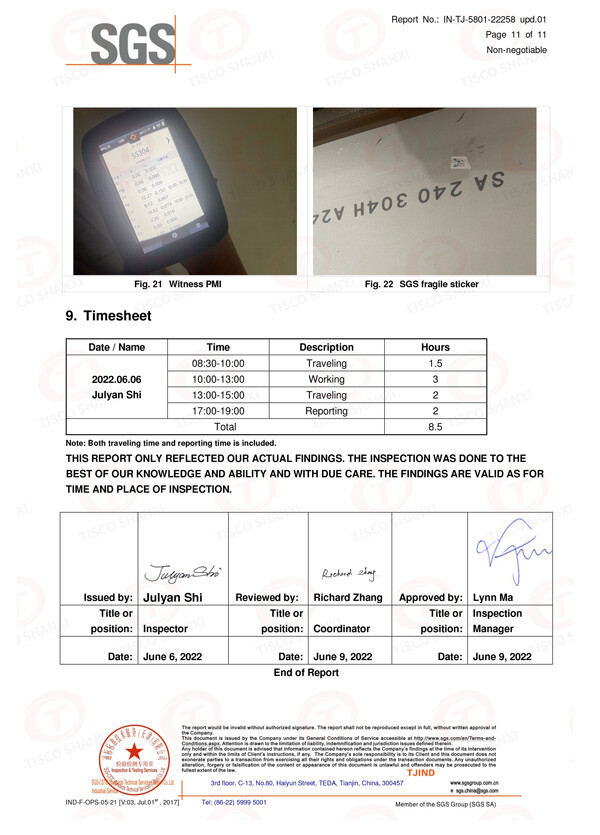
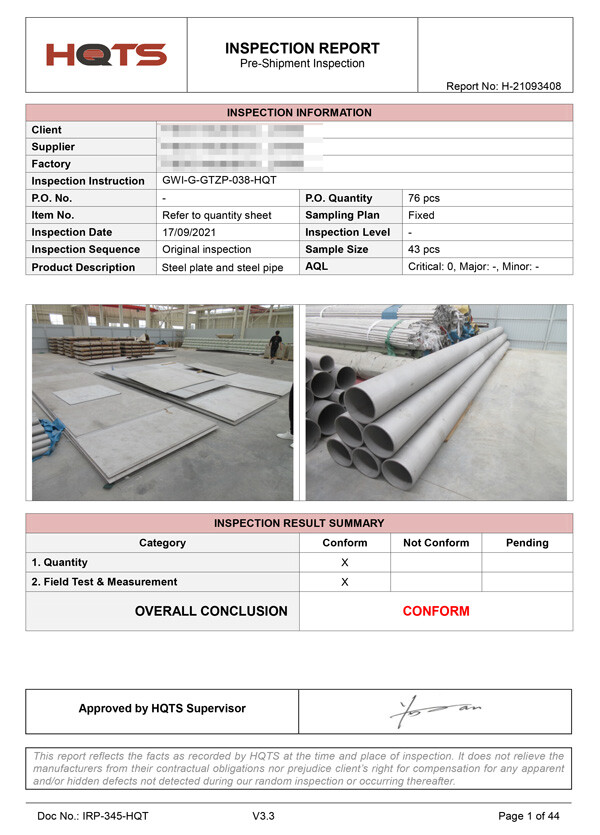
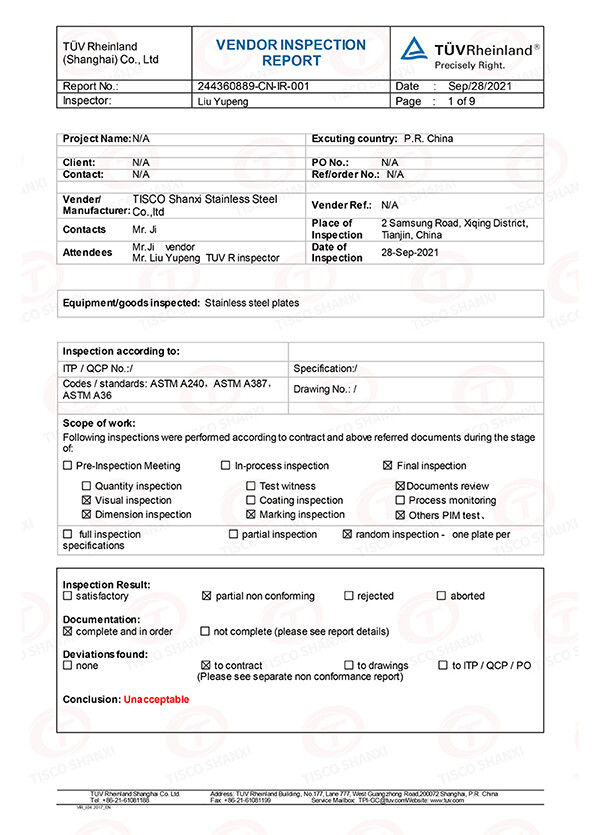
Inspection Report
 ISO9001
 SGS
SGS HQTS
HQTS TUV
TUV
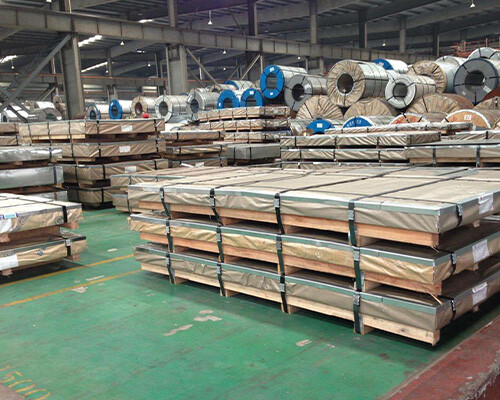
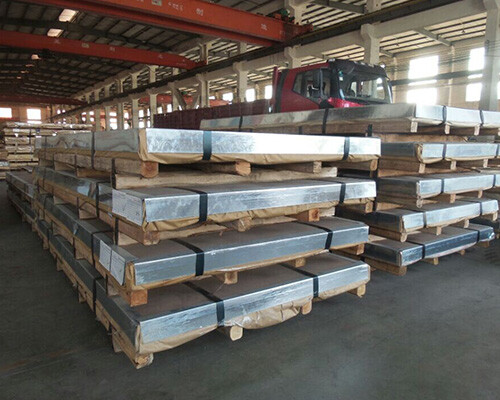
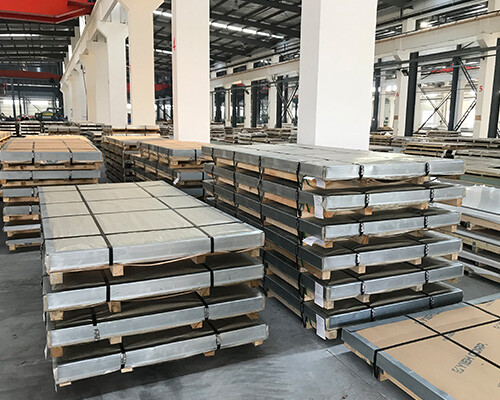
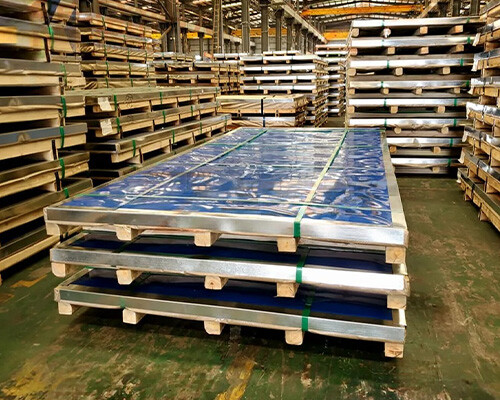
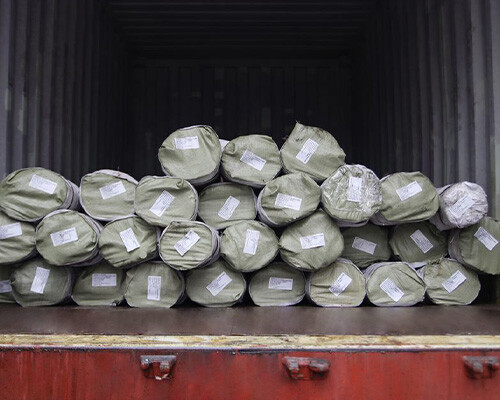
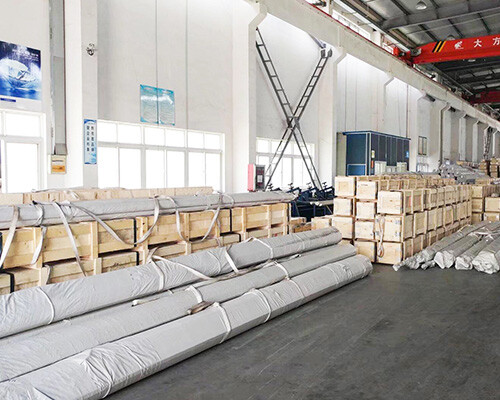
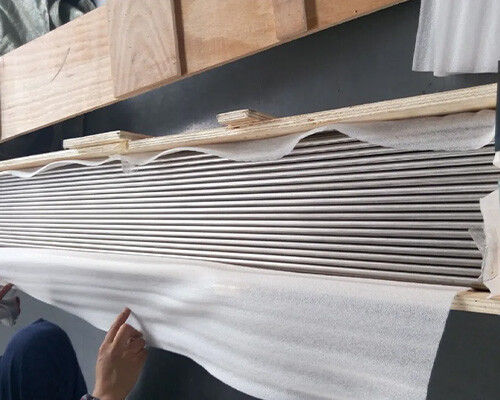
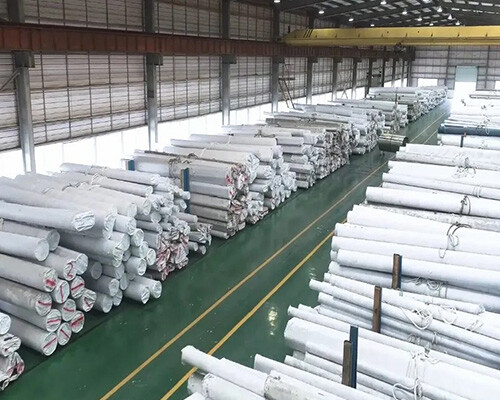
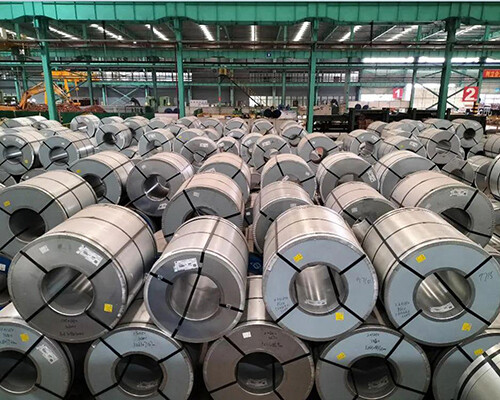
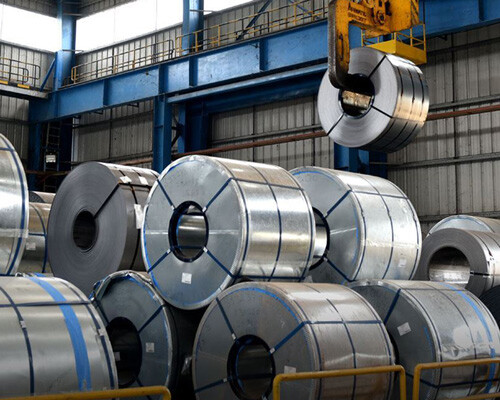
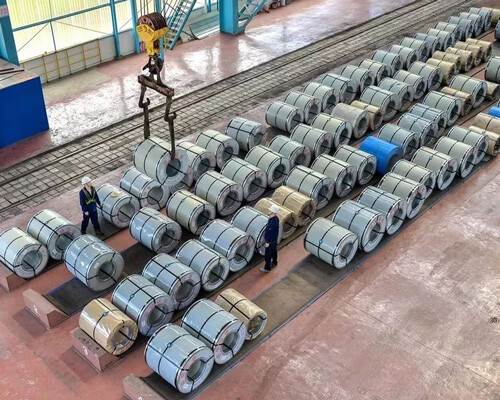
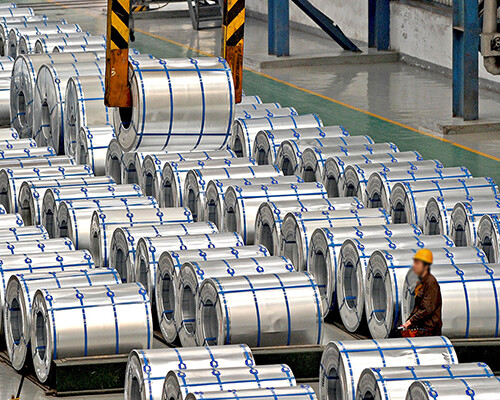
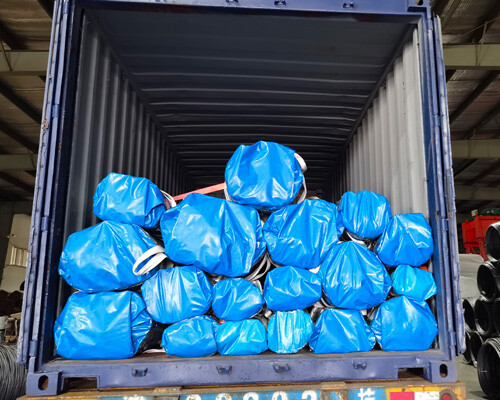
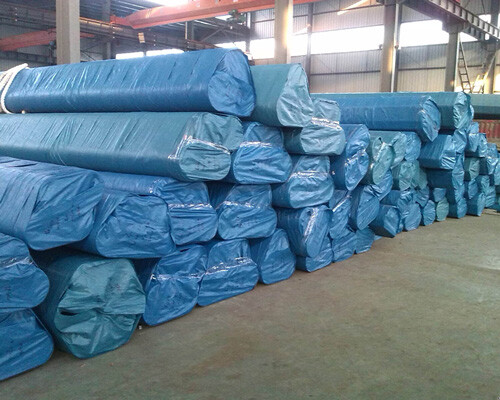
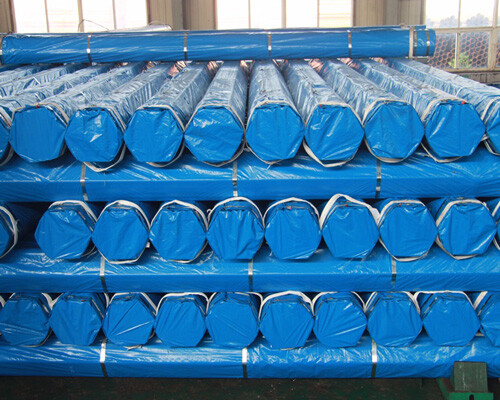
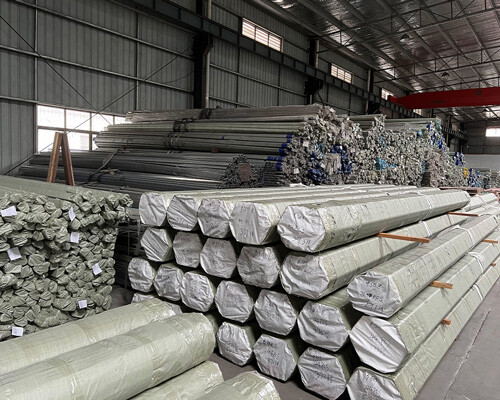
Packaging & Shipping
CONTACT US
TISCO SHANXI STAINLESS STEEL CO., LTD.
WhatsApp/WeChat/Mobile: +86 133 7050 6305
Add: No.2-1, Jiancaoping Street, Taiyuan, Shanxi Province.
Office Address: Plot A-4, Huazhi Vientiane World, No. 2 Maolingshan Road, Lixia District, Jinan City, Shandong Province.
MESSAGE
Related Products
LEAVE US MESSAGE

Please Enter Keywords
* Please enter the product name or product keywords, for more product information, please send us an email